Bruno Muzzolini (Italy 1964) lives and works between Brescia and Milan. His practice, open to different media, crosses the territories of reality with a rough and essential language. Indocile to any rigid theoretical cataloguing, his works are intertwined with discourses developed around the practices of desire, nature and animal becoming.
His works have been exhibited in various national and international venues including: Listasafni ASI, Reykjavik—54th International Art Exhibition of the Venice Biennale, Italian Pavilion, Corderie dell’Arsenale—Artericambi, Verona—National Gallery of Kosovo, Prishtina—SOMA, Mexico City, Mexico—at the National Gallery of Arts Tirana—at MAMM in Medellin, Colombia—The Living Art Museum in Reykjavik, Iceland—DOCVA Milan—Fabioparisartgallery, Brescia Italy—Tirana International Film Festival—MART, Museum of Modern and Contemporary Art, Trento and Rovereto—Co Pilot Istanbul–Centrale di Fies, Dro, Trento–Galleria Multimedia, Brescia—Closing Soon, Athens—De Nieuwe Regentes, The Hague, Netherlands. He studied at the Brera Academy in Milan and the IUAV in Venice. He currently teaches painting at the Brera Academy.
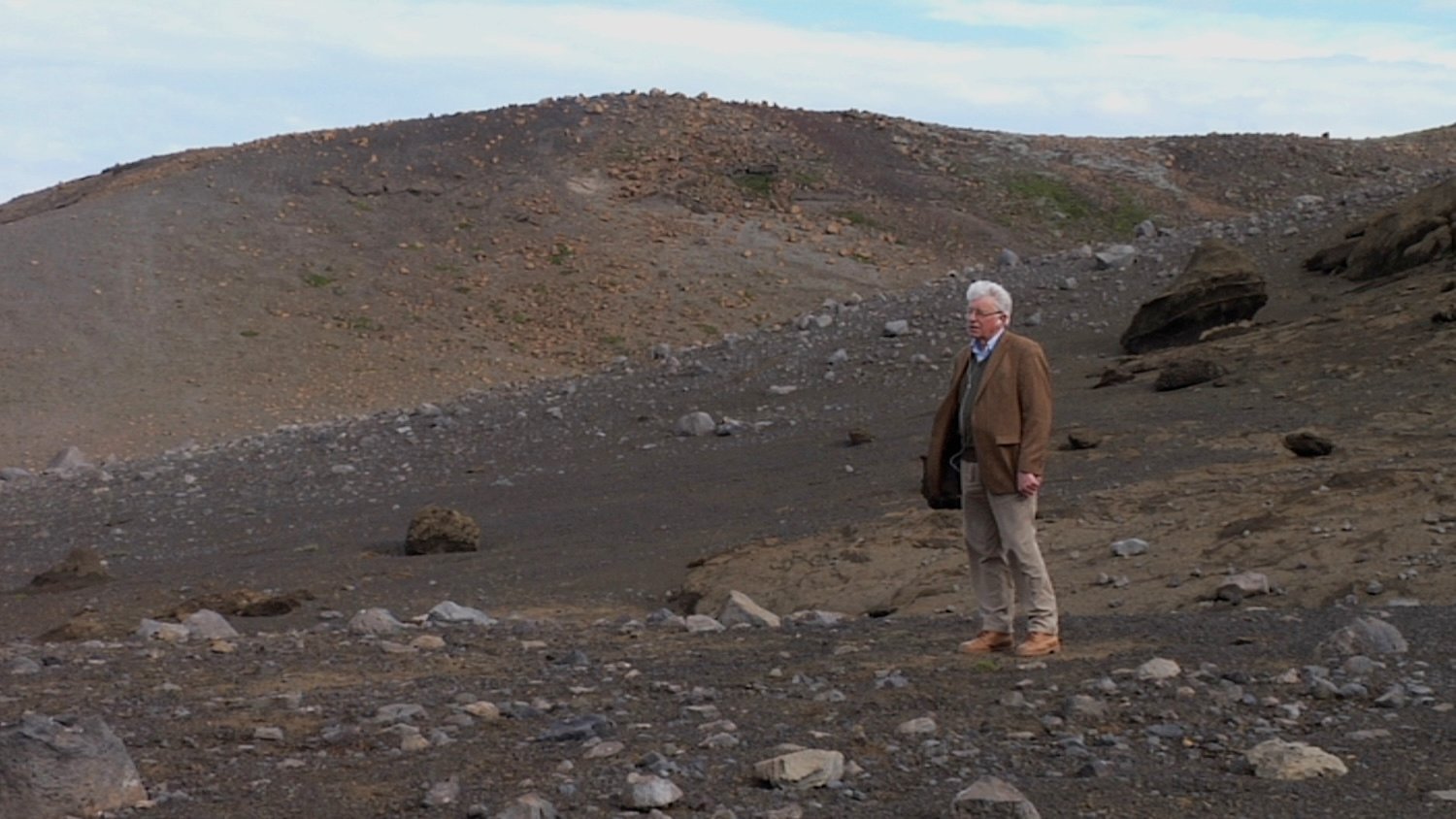
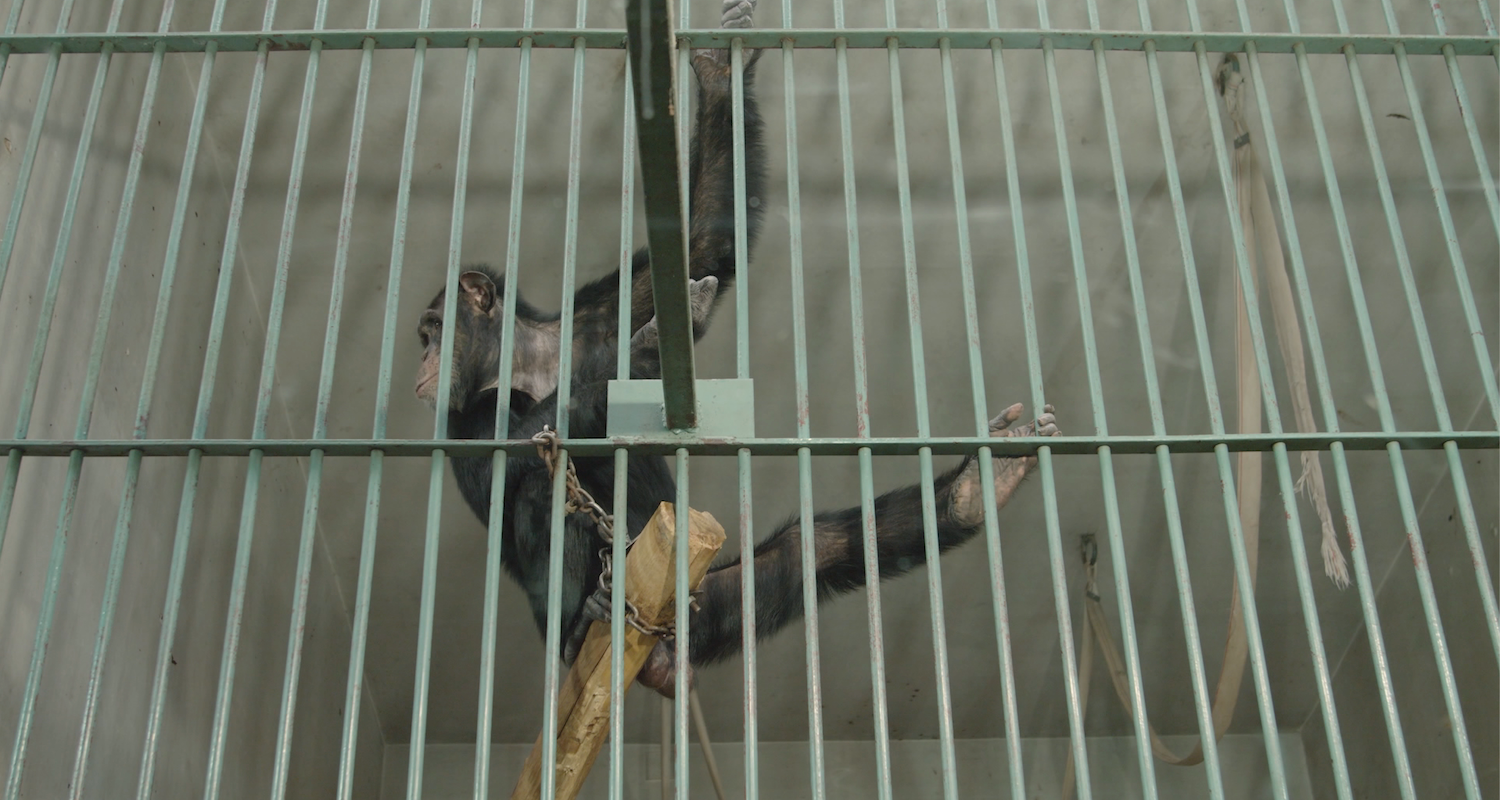
“Anema e core”, 2007 video-color-sound 4’34’’
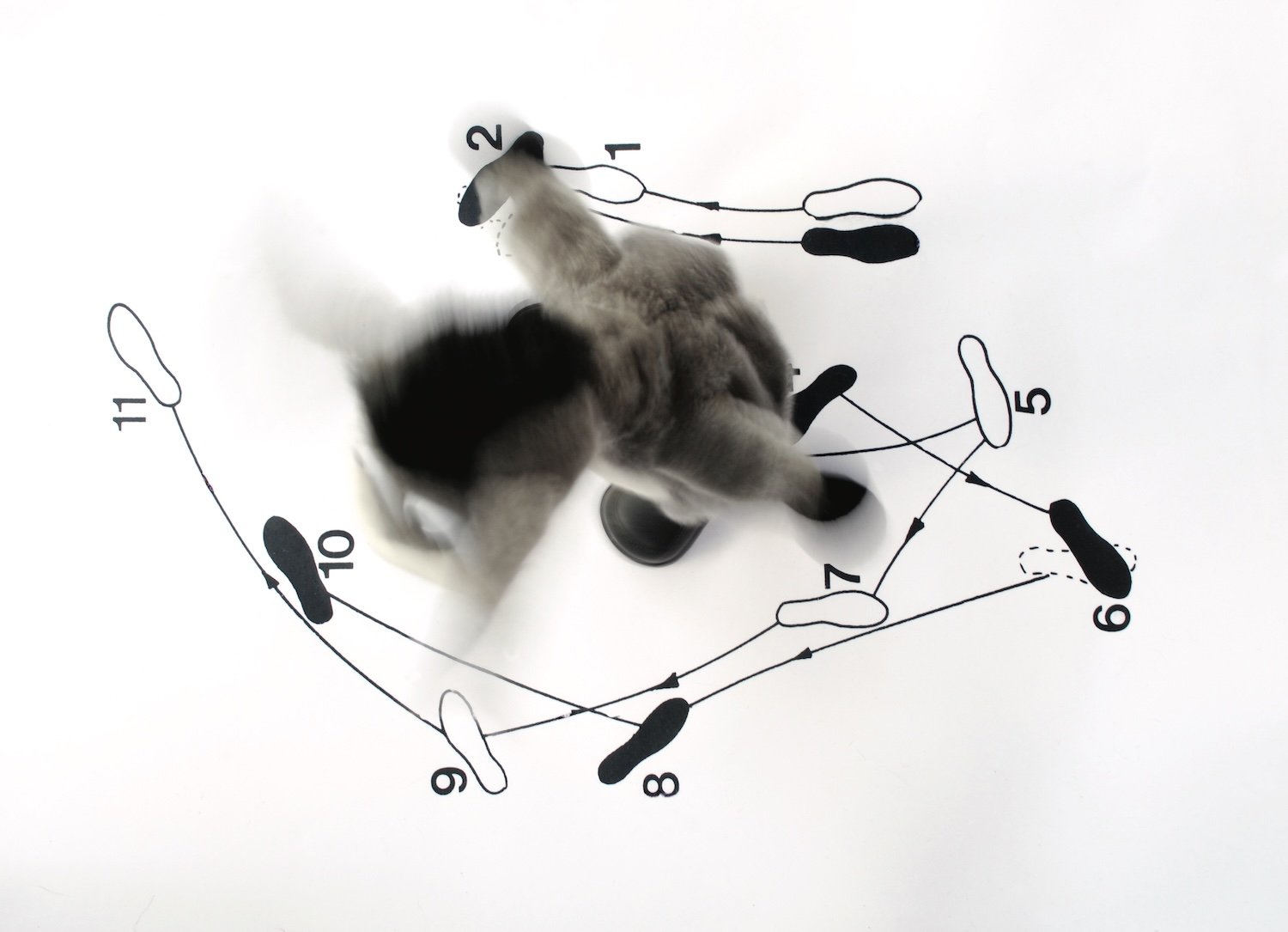
“one step forward two steps back” 2007, DVD color, sound 02:33 min
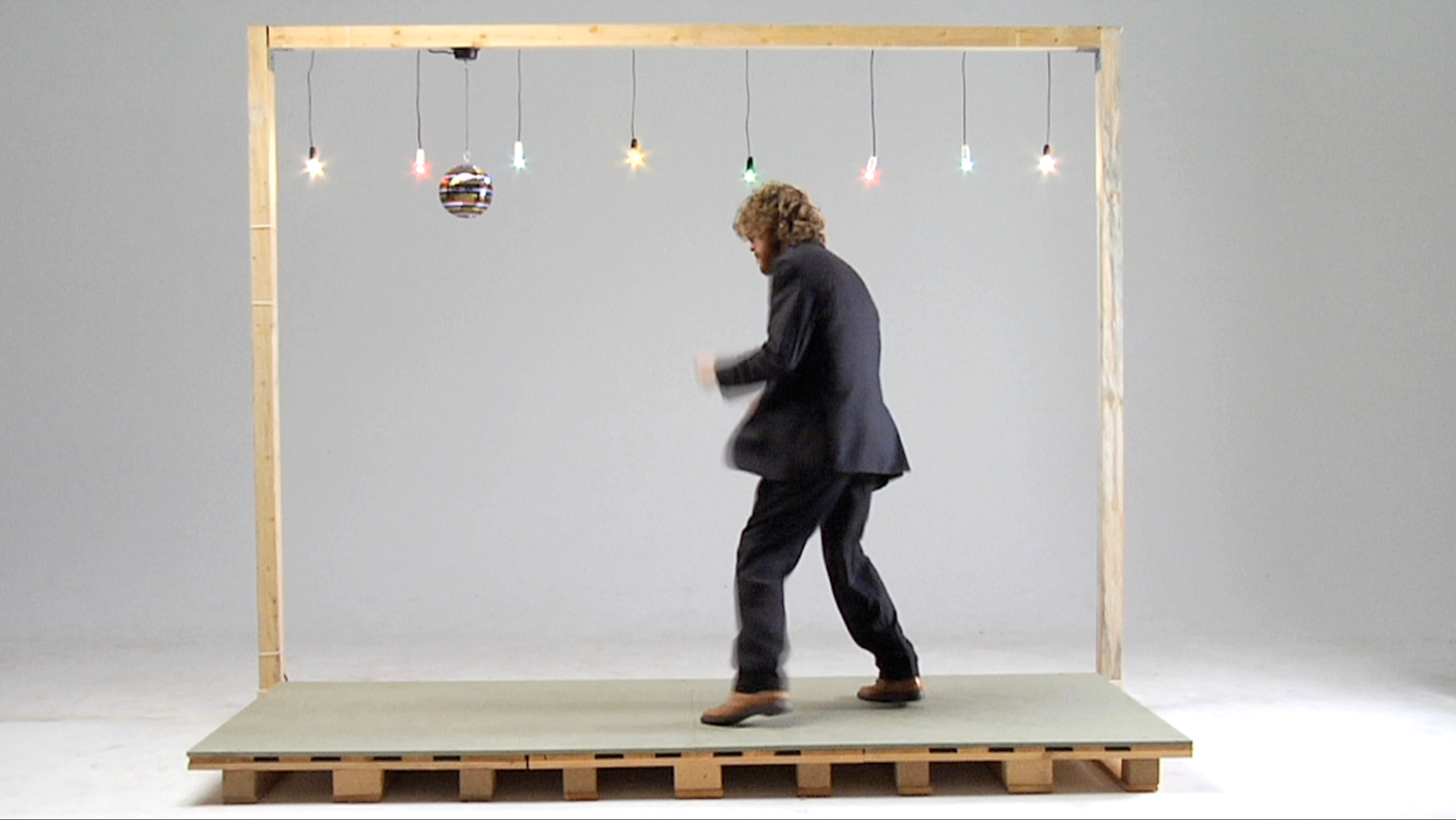
“Disco drum machine”
2009 Full hd video, color, sonoro, 5’44’’
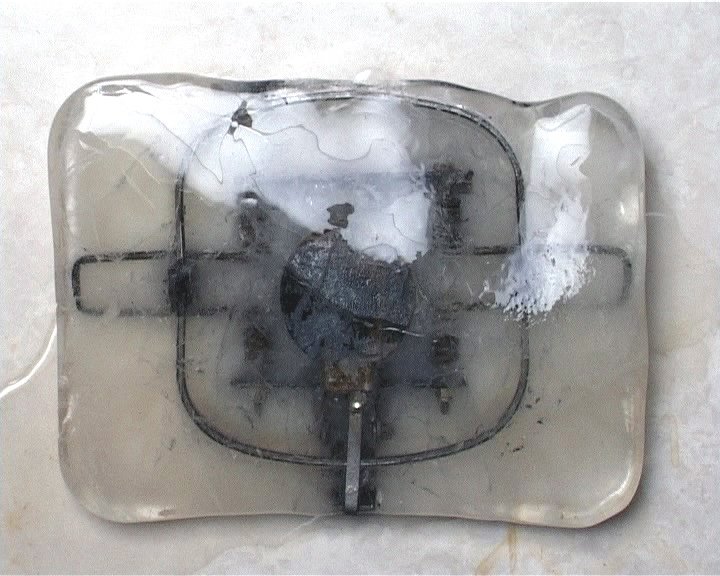
“Frost 5”, 2004, video – color – sound 3’ 08’’
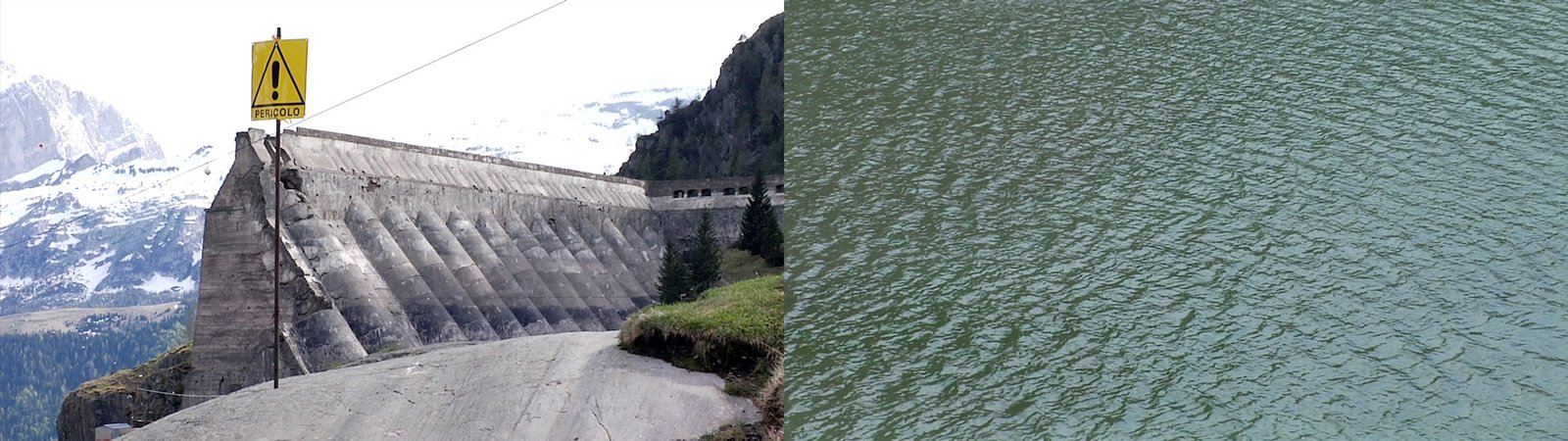
“DAM” 2011
2-channel video projection, Full HD, color, sound, duration 16′11″
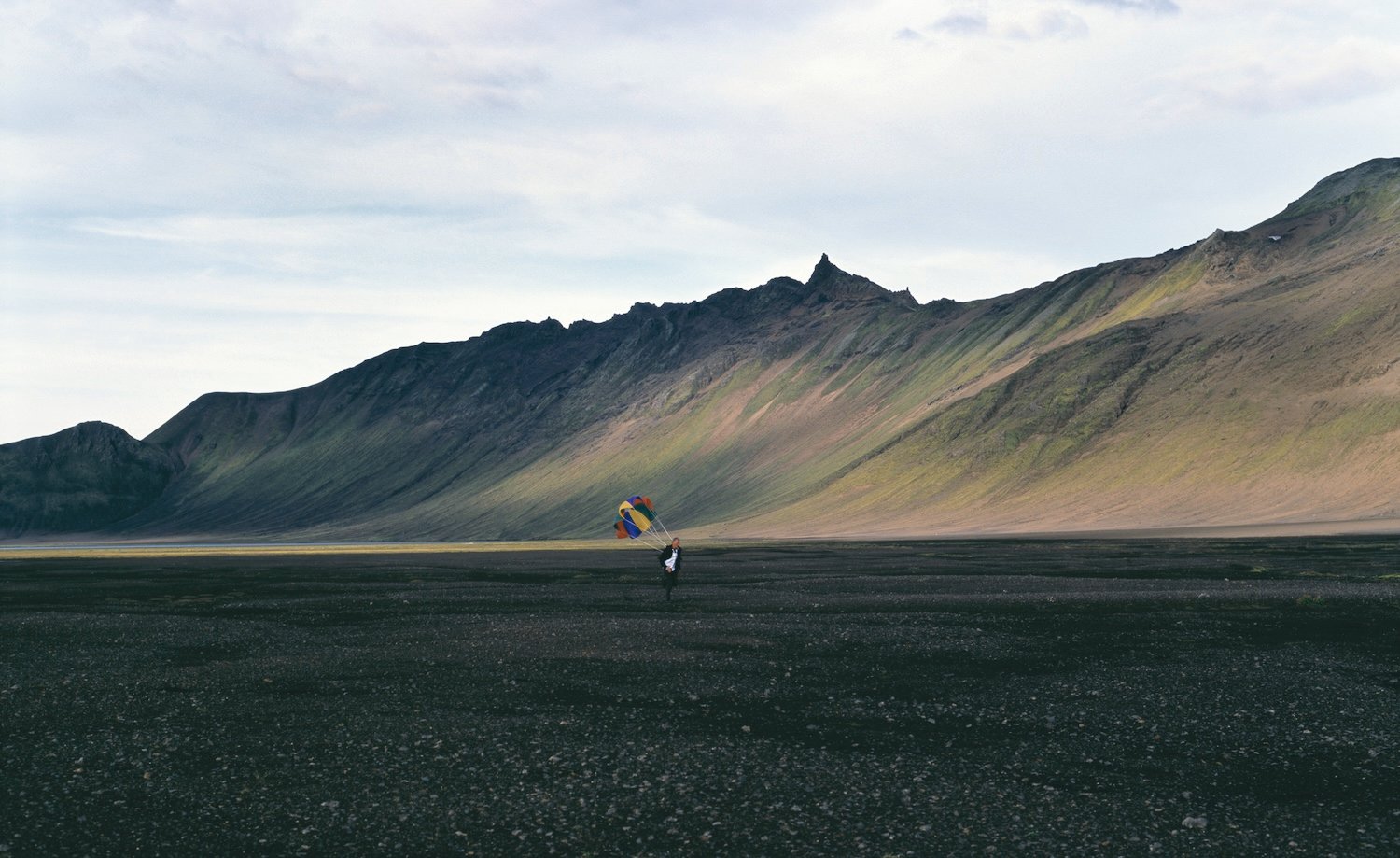
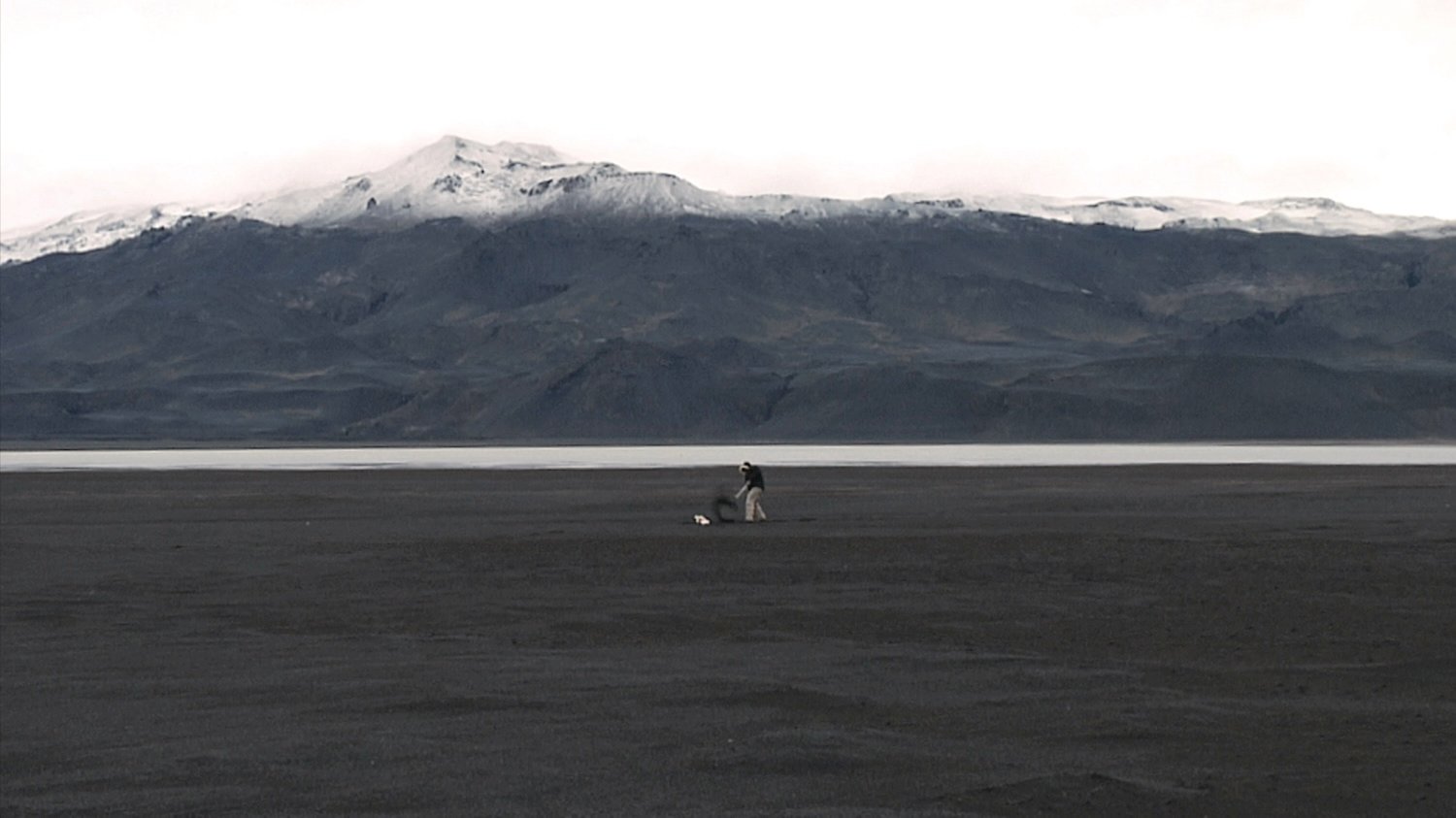
“Linee di fuga”, 2022 Video 4k, color, sound, duration 25 min
“Paesaggio”, 2007
Lambda print
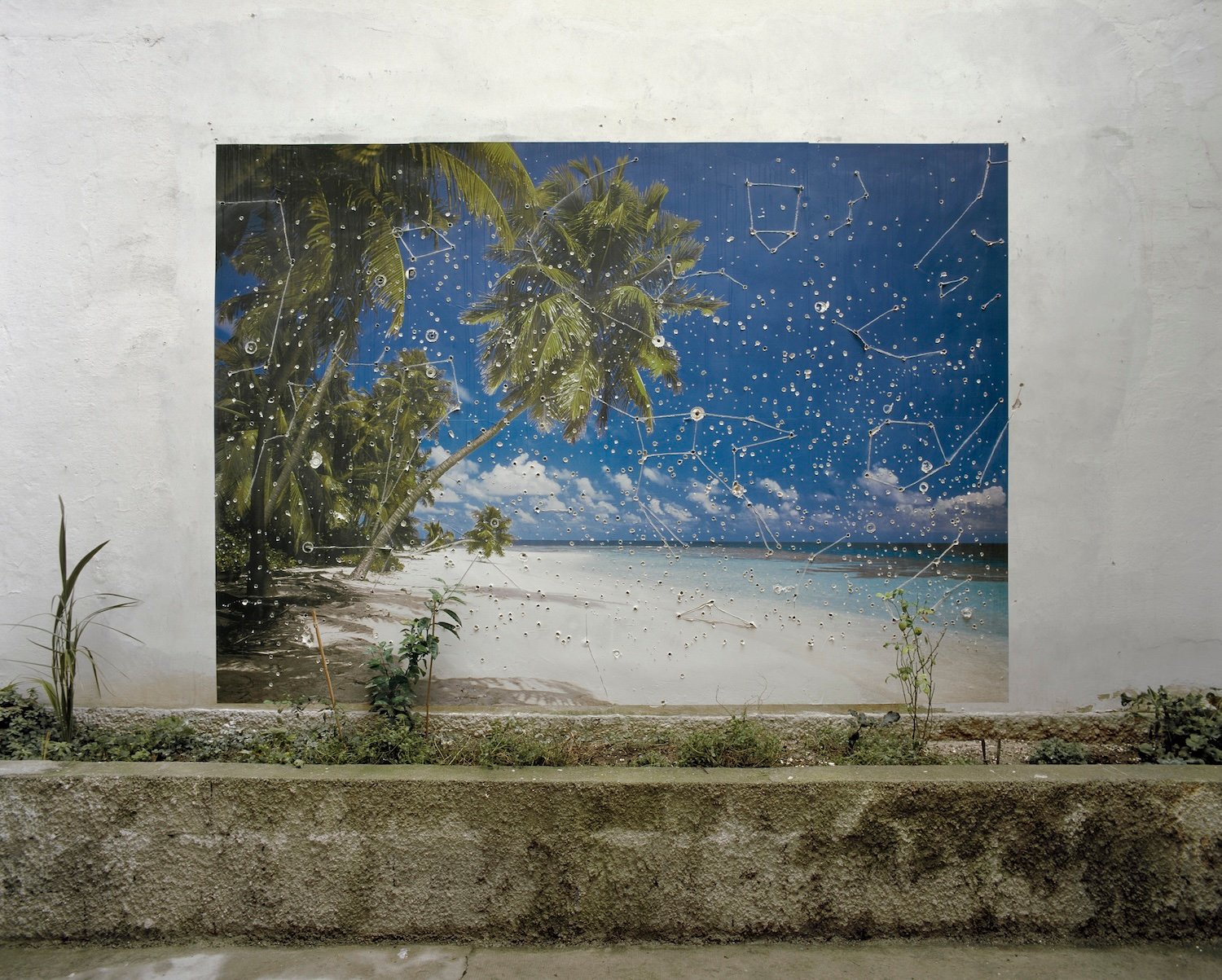
“Star Walk”
Lambda print
200 × 178 cm
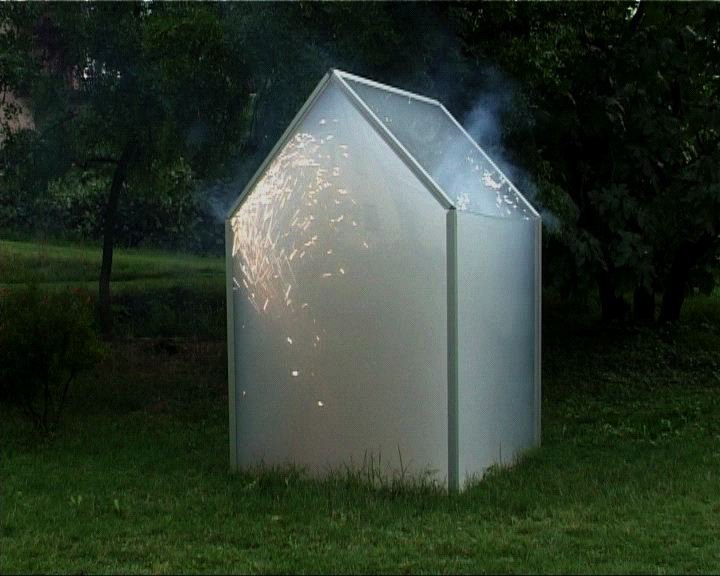
“The firework house (I)“
2006 video-color-sound 3’25’’
“Swing”, Full hd video-sound-color 2009
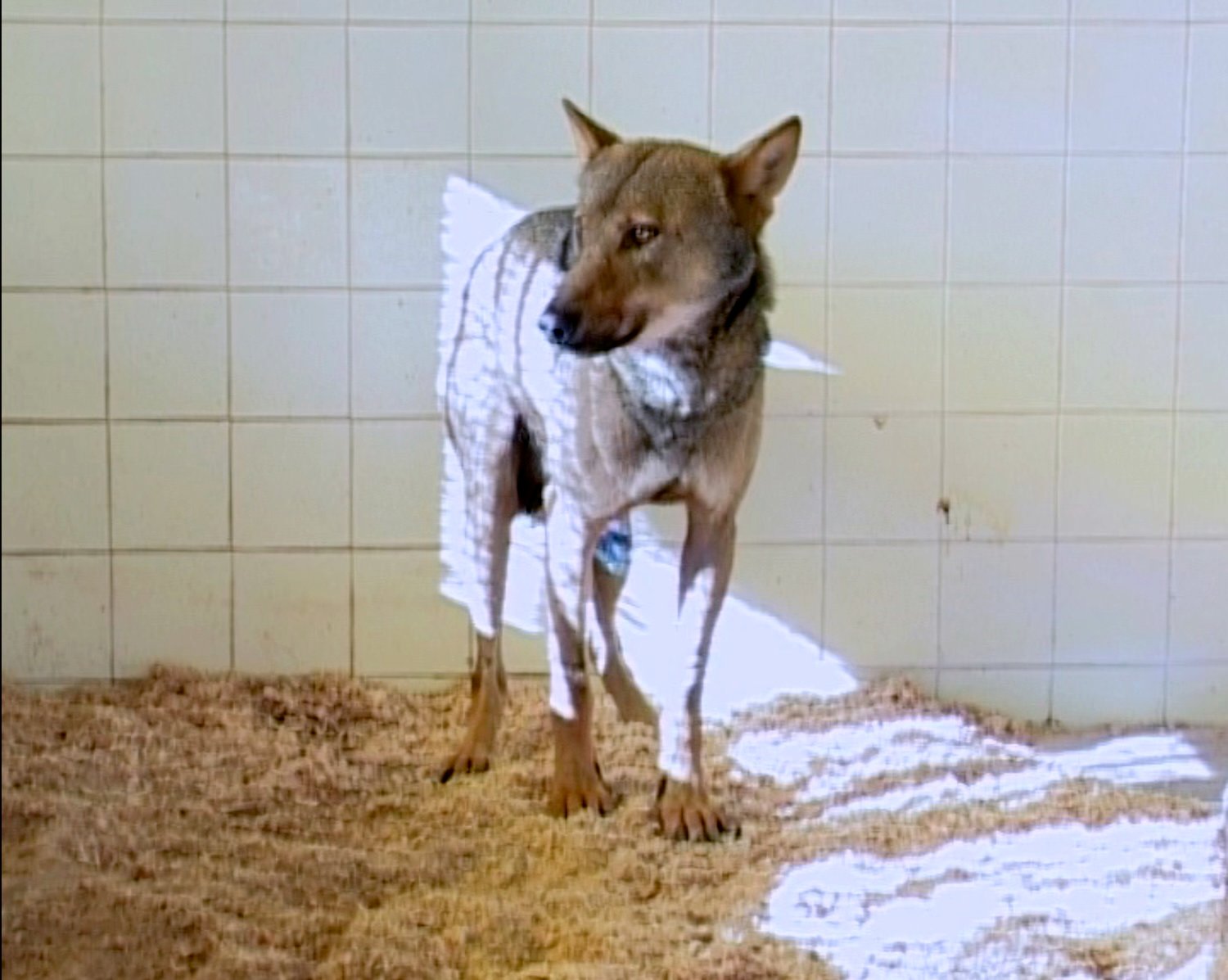
“WOLF”
2008 dvd, color, duration 4’40’’
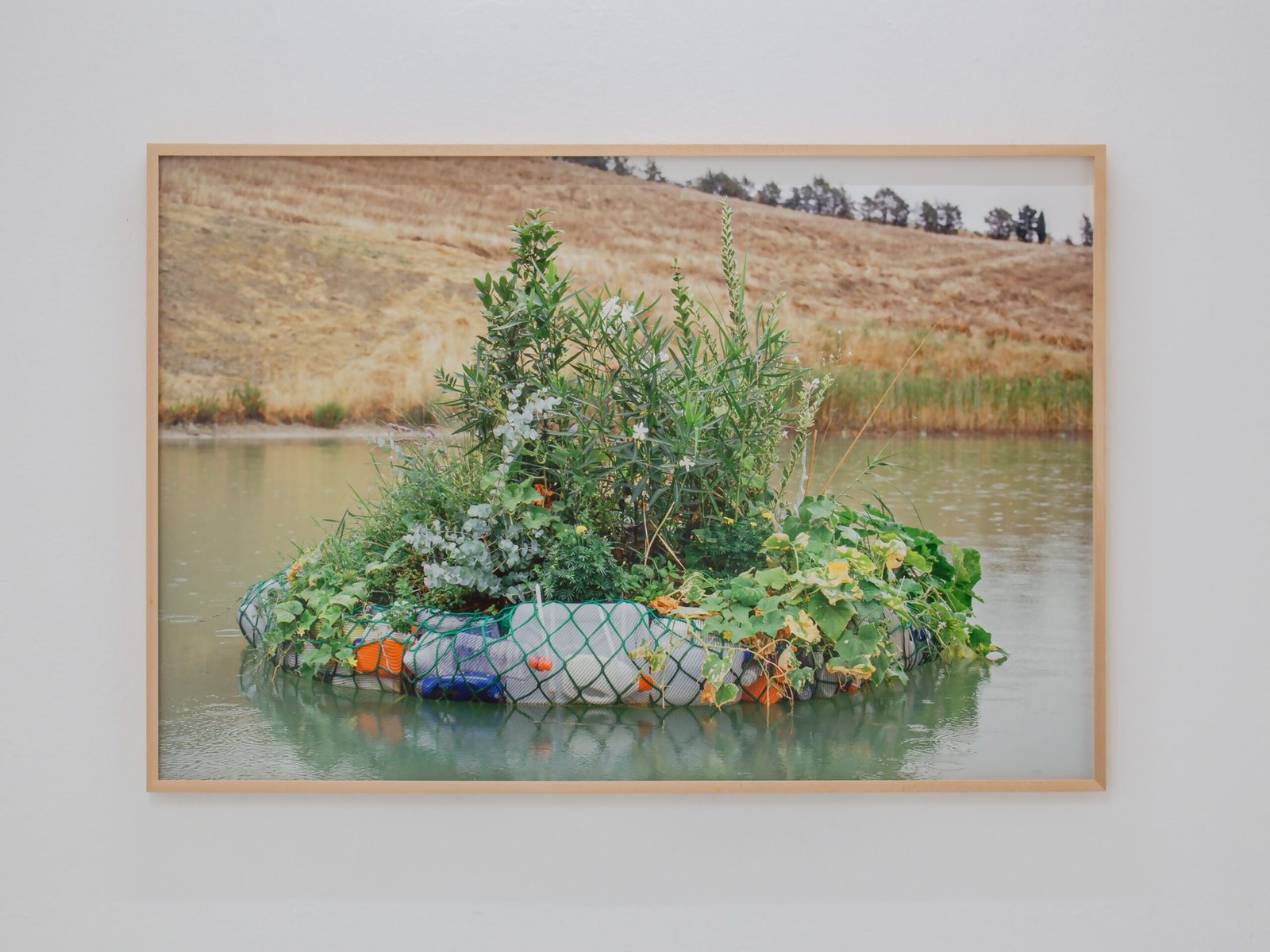
Floating Island
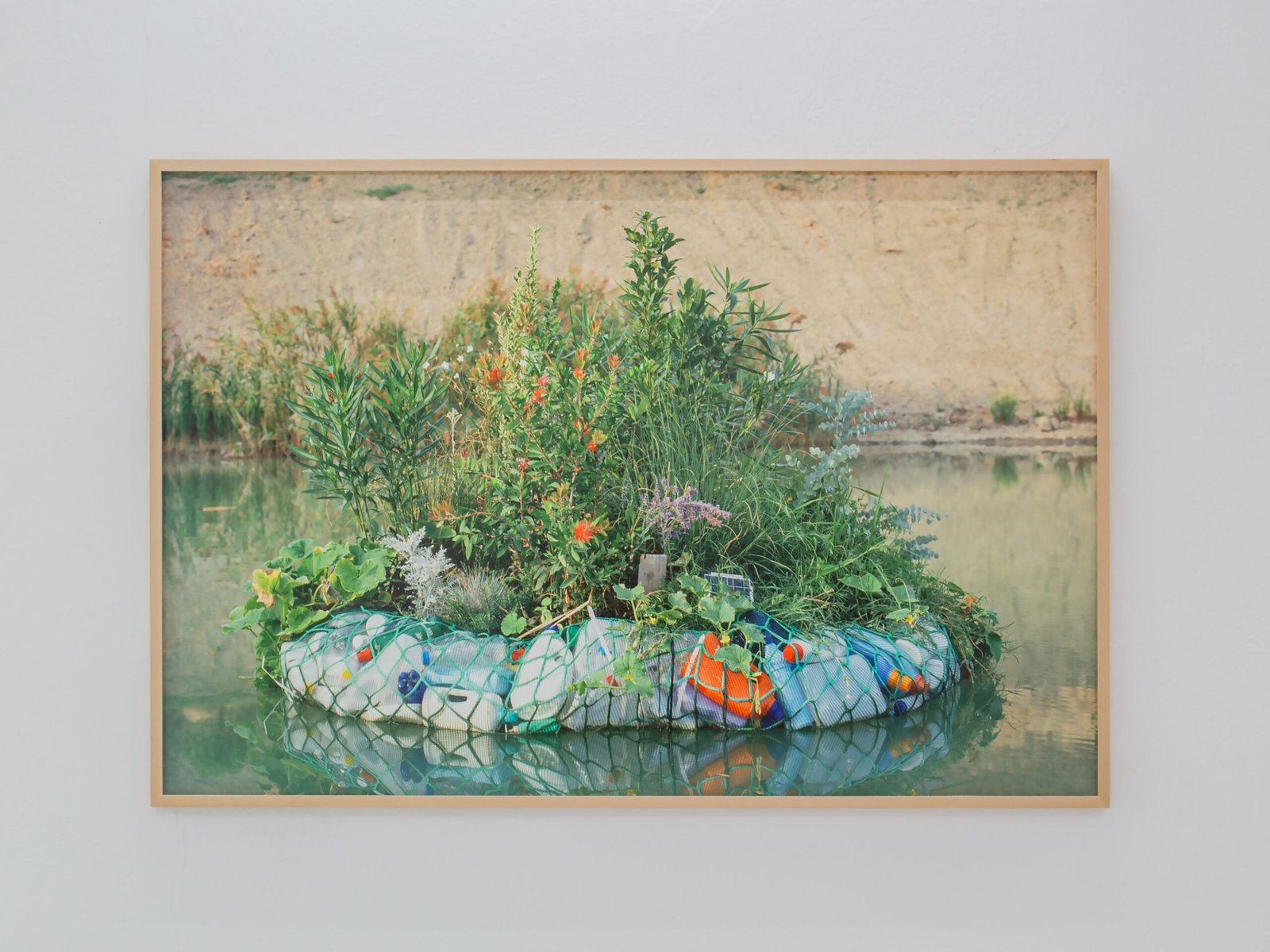
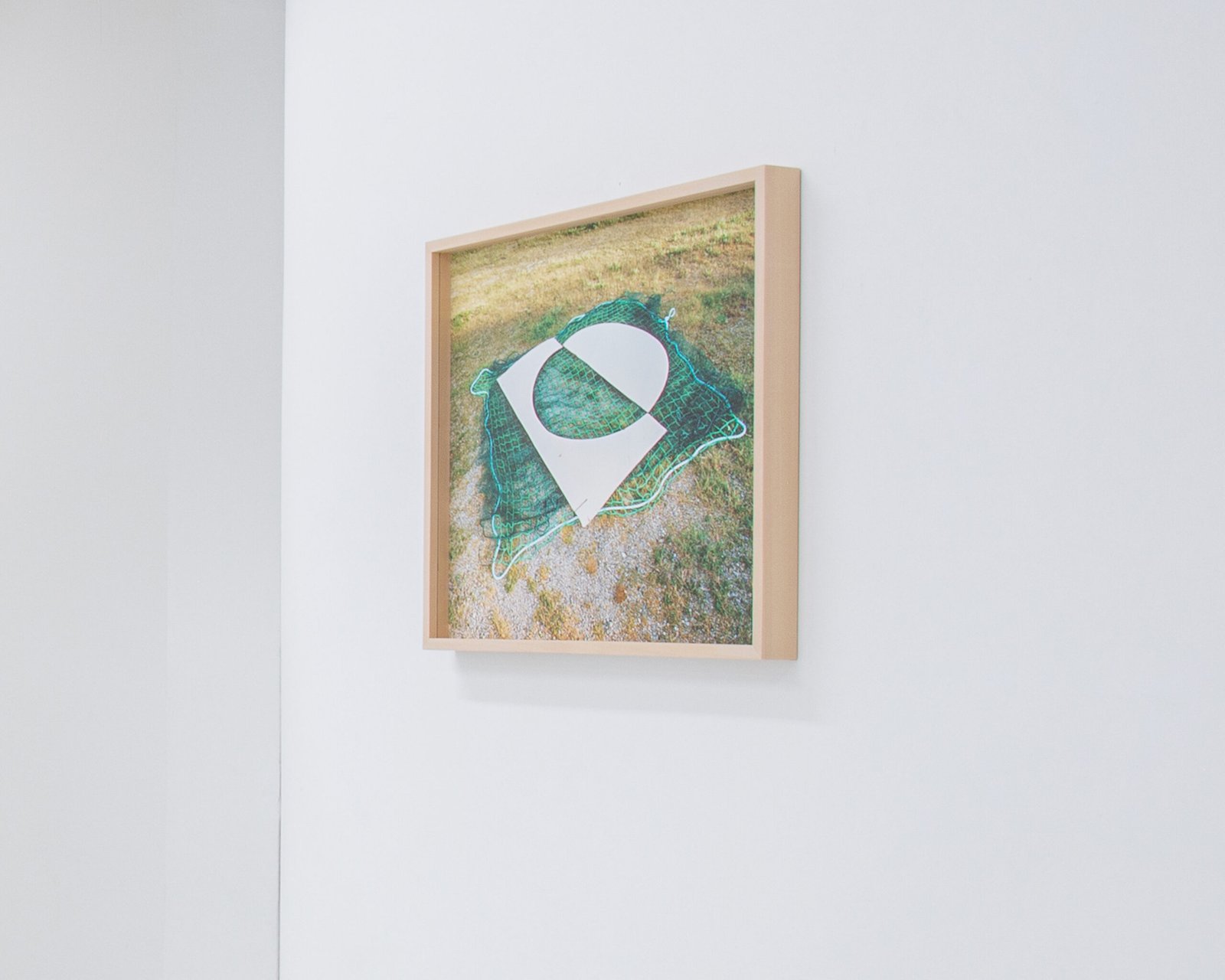
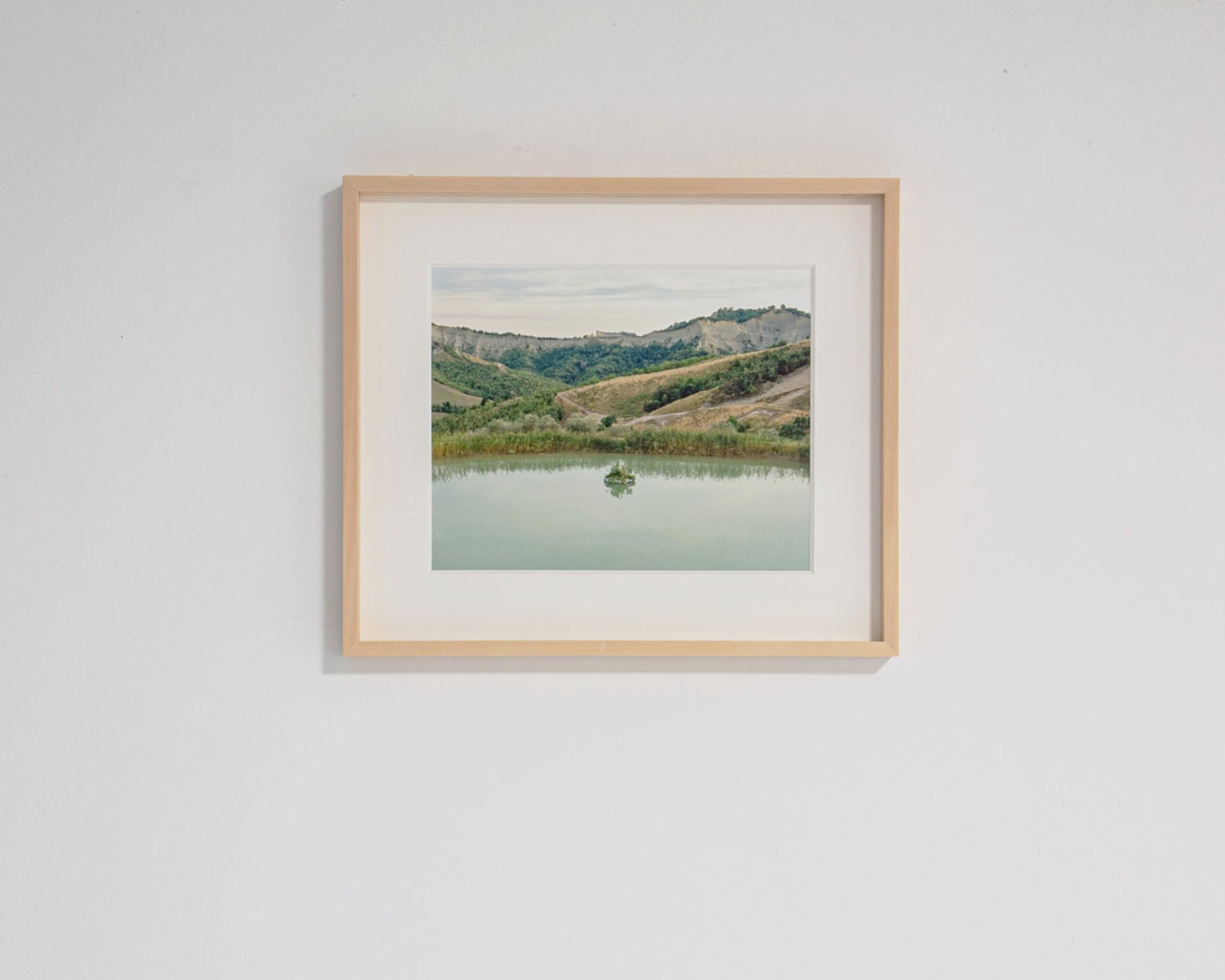
For Floating Island, Muzzolini has created an environmental installation built from plastic bottles and containers collected over the course of a year. From these discarded fragments, he shaped a floating island, set adrift on a small lake among the hills of Emilia, in a valley sculpted by the slow erosion of its clay terrain. The island was planted without a predetermined design—somewhere between a vegetable plot and a garden—with cuttings taken from local species.
Powered by a solar panel and a small hydraulic pump for irrigation, the work became self-sustaining, entering into a dynamic, reciprocal dialogue with the surrounding lake. Over time, it turned into a living habitat, a place of contact and exchange between different forms of life. Frogs and mice, water snakes and coots found refuge there; the gaps in its structure became home to a colony of Louisiana crayfish; its vegetables provided nourishment, and its flowers drew bees and hornets.
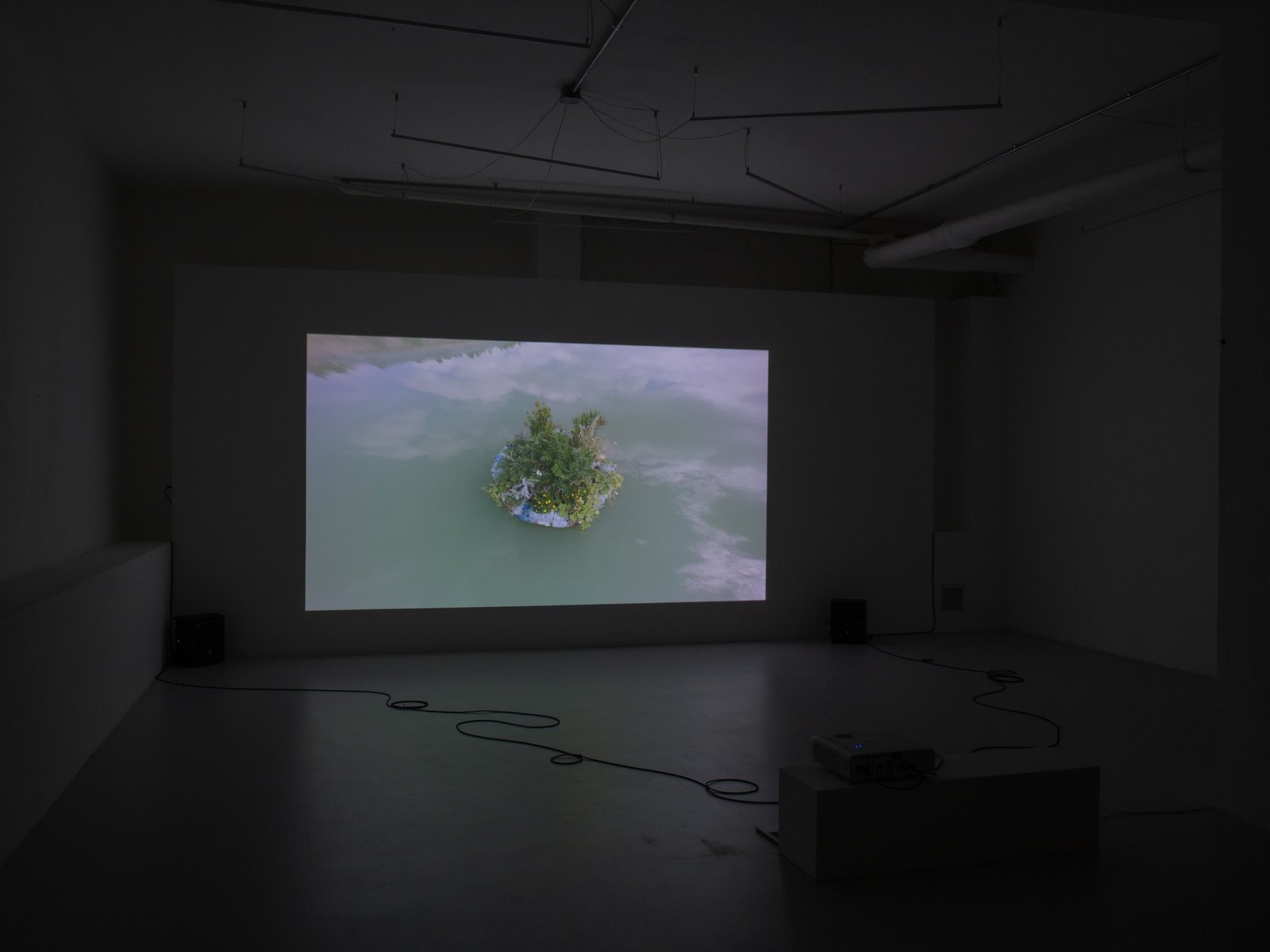
As organic and inorganic matter intertwined, a vital tension emerged—giving rise to a new form, and a new way of thinking. From early spring through autumn, Muzzolini followed the island’s transformations, filming and photographing its slow evolution.
Floating Island conveys the life of this ecosystem through a plastic and empathetic gaze, attentive to the relationships between living organisms and their environment.
“Interface 1”, 2025, Digital print on Hahnemühle baryta paper, mounted onDibond. 150×100 cm
“Interface 2”, 2025, Digital print on Hahnemühle baryta paper, mounted onDibond. 150×100 cm
“Interface 3 (Aurora)”, 2025, digital print on Hahnemühle baryta paper, mounted onDibond. 40×50 cm.
“Interface 4 (Valle)”, 2025, digital print on Hahnemühle paper, mounted on Dibond. 24×30 cm.
“Floating Island”, 2025
4K video, color, sound, duration 18:16 min.
Trappole per occhi
“Trappole per gli occhi” (Eye traps) allude to what the artist calls a ”slippage of meaning.” A kind of small visual deception in which the fixed frame of the camera or video camera shows the object in the foreground: it is an iron trap, of those commonly used for unwary beasts. The field of vision around is minimized, there is no connection with reality, the traps become something else, temporarily losing physiognomy and recognizability.
“Trappola per occhi 25”, 2004, lambda print on aluminium, 140×100 cm
“Trappola per occhi 24”, 2004, lambda print on aluminium, 140×100 cm
“Trappola per occhi 22”, 2004, lambda print on aluminium, 140×100 cm
“Trappola per occhi 21”, 2004, lambda print on aluminium, 140×100 cm
“Trappola per occhi 20”, 2004, lambda print on aluminium, 140×100 cm
Frost
The video project “Frost” allude to the same “slippage of meaning” of “Trappole per gli occhi”. The object is decontextualized, deprived of its functionality, i.e., of the very reason for its being in the world, and in turn neutralizes the gaze of the viewer who embarks on an individual cognitive journey. The artist carries on his personal iconoclastic battle about the loss of identity of the object and the bewilderment of the viewer, disoriented by a conceptual anomaly and the impossibility of decoding the image. Bruno Muzzolini’s is an operation of unmasking or even ”fleshing out” the object, elaborated from the choice of the object-image to its reduction in terms of matter, color (a white and gray monochrome) and every extraneous element in the composition.